
Clinical social work
My Approach as a Clinician
I currently work as a psychiatric clinical social worker in Los Angeles. In inpatient hospitalization, I support adults experiencing severe mental illness, including those who are gravely disabled. I also facilitate process groups in a partial hospitalization program (PHP), where patients are working toward stabilization. Across both settings, I listen for how patients understand what brought them into care and what matters most to them now. My extensive experience in crisis intervention, trauma-informed care, and DBT set the foundation for my work.
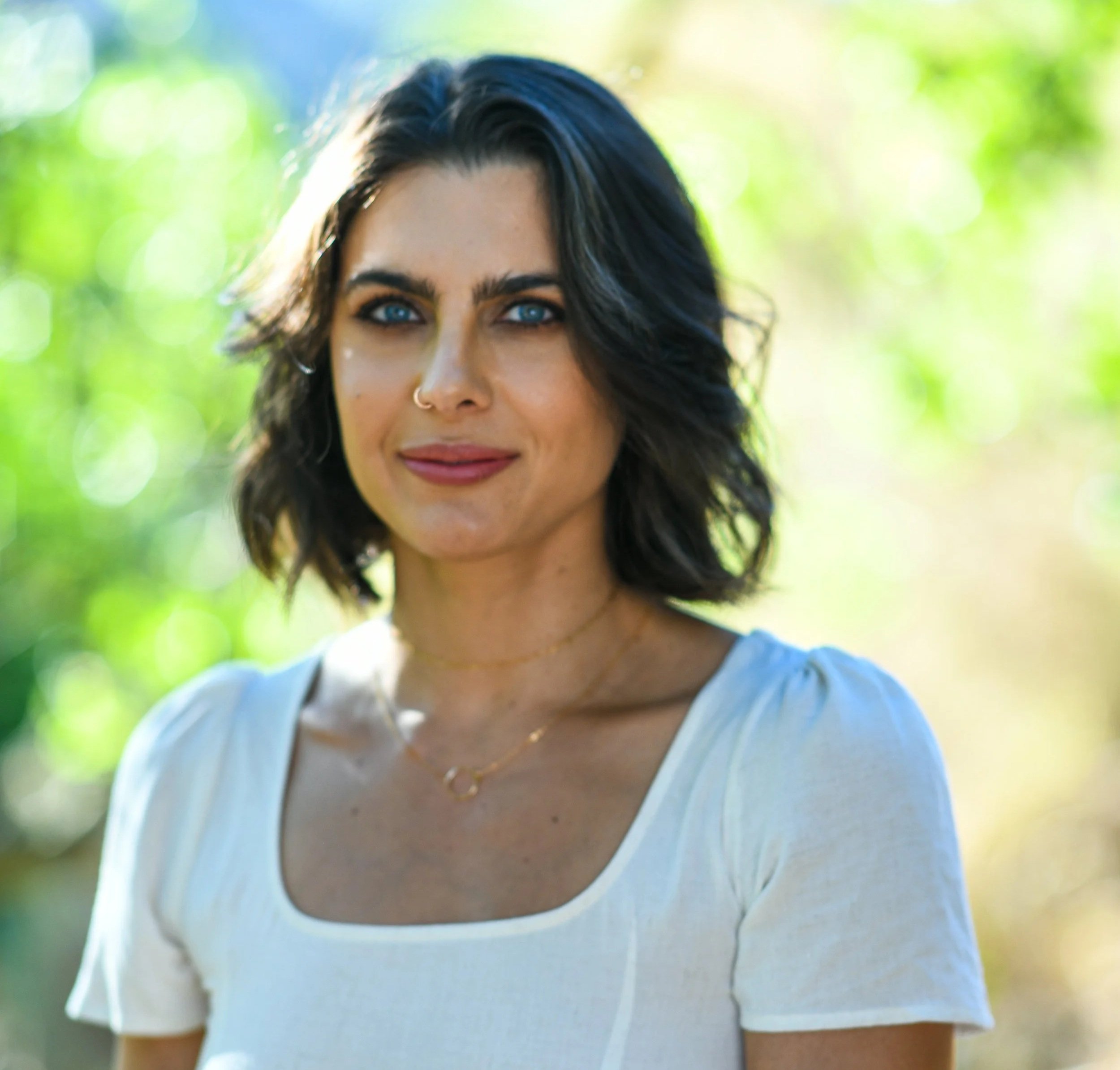
Kalen Aradia, PhD, MSW
Registered Associate Clinical Social Worker
ASW #139653
Areas of clinical focus
What I listen for in clinical work
In inpatient psychiatry and partial hospitalization (PHP), I begin with the patient’s account. What has changed in daily life? What feels most pressing now? Those questions guide my psychosocial assessment and the perspective I bring to the treatment team.
Severe mental illness & stabilization
I work with adults experiencing severe mental illness, including patients who are gravely disabled. I ask how changes in mood, perception, or daily functioning have affected their ability to meet basic needs.
Trauma & recurring patterns
My work with survivors of domestic violence informs how I ask about safety and trust. I’m interested in what a response helped someone manage and how it affects their relationships today.
Relationships, communication & boundaries
In groups, I draw on skills from dialectical behavior therapy (DBT) to help patients practice asking for support, setting a limit, or communicating through conflict.
Shame, self-criticism & identity
My research on internalized sexism informs how I listen to self-criticism. When someone feels responsible for what happened, I ask what choices were available to them at the time.
Interdisciplinary collaboration
Understand the patient’s perspective
I ask what led to admission, what support the patient already has, and what they would like to change. When priorities are unclear, I draw on motivational interviewing to explore ambivalence.
Bring observations together
In team meetings, I share the patient’s priorities and relevant family perspectives. Observations from nursing and psychiatry help me decide what to clarify with the patient and where follow-up is needed.
Plan for the transition
I work with patients and the team on safety and discharge planning. With permission, I speak with support people to clarify what help is available and coordinate referrals around needs that remain.

Clinical orientation
A relational approach to clinical social work
My work is grounded in the understanding that people are shaped in relationship. Family, culture, power, and repeated experiences influence what feels safe to express, what we learn to expect from others, and how we respond when we need support.
My background in depth psychology, research on internalized sexism, and clinical work with survivors of domestic violence shape the questions I ask. When someone says, “I should have handled it differently,” I want to understand what they were facing, what choices they had, and whose expectations they are measuring themselves against.
Some moments call for a direct question. Others call for slowing down. If a patient grows quiet during a difficult conversation, I ask what they noticed and give them room to decide what to share. If they feel overwhelmed, I may offer a grounding exercise. When they feel pulled in two directions, I draw on motivational interviewing to explore what matters to them about each choice.
In inpatient and partial hospitalization groups, I bring this same attention to how people respond to one another. When a discussion turns toward giving advice, I invite members to consider what the person sharing wants to be understood. If someone wants to speak up in a difficult relationship, we might draw on dialectical behavior therapy (DBT) skills to practice making a request or setting a boundary in their own words.
Kalen Aradia, PhD, MSW
Registered Associate Clinical Social Worker, ASW #139653
Clinical background
Where I’ve practiced
Before working in inpatient psychiatry and partial hospitalization, I provided trauma-focused counseling to survivors of domestic violence and school-based mental health support to adolescents in Los Angeles.
Domestic violence services
JFSLA Hope Counseling
I provided individual counseling and co-facilitated a weekly virtual trauma group. I also coordinated referrals across the agency around needs survivors identified.
School social work
Los Angeles Unified School District
At a middle school, I conducted psychosocial assessments, responded to crises, and worked with students, families, teachers, and school psychologists to coordinate support.
Practice setting
My current clinical work takes place in hospital-based programs. I am not currently accepting private psychotherapy clients.